
How this guide works
Choose reading nook ideas by the way you actually read: one book for a long sitting, a few pages during a shared evening, or passages you want to annotate. Try a seat you already own with your current book before adding furniture or decoration.
A useful spot gives the book somewhere to rest and fits the room when you are finished. The ten choices below compare those everyday differences, from a dedicated armchair to a basket you can pack away. You do not need a separate room, a built-in bench or a matching set of accessories.
Begin with the reading session
Think of the last time you wanted to read. Were you staying with a novel, comparing two books, or waiting for the rest of the household to finish something? That tells you more about the setup than a room label does. A large table may be unnecessary for a novel but useful when a notebook needs to stay open beside it.
Separate the place you read from the place you store the collection. The selector is about the books in use today; the home library ideas guide covers the larger collection. Bringing every unread title to the chair can turn its resting surface into another bookshelf.
Check the page at your usual reading time
Open the book where you expect to sit and look at it under the lighting you normally use. Compare the seat facing one way and another; notice a reflection on a glossy page or a shadow from your hand. A window may suit an afternoon session while the same seat needs a different arrangement after dark.
When comparing compatible replacement bulbs, use their package information. ENERGY STAR explains brightness in lumens, rather than watts. That distinction helps you compare light output, but it does not supply one required brightness for every reader or prove that a particular lamp position will work. Follow the fixture’s instructions and check the actual page.
Give current books a place to return
A side table, a clear patch of an existing table or a small portable basket can hold what the session needs. Keep that space available for the book when you pause; decoration is optional. If you browse several titles, choose a limited group rather than carry the whole reading queue over.
For storage between sessions, the Library of Congress recommends limiting books’ light exposure and avoiding heat sources such as vents and radiators. Enjoying daylight while you read is different from leaving books in prolonged direct sun. Put them away afterward instead of making a sunny sill their permanent home.
Let the rest of the room keep working
In a shared living room, reading may need to coexist with conversation. In a guest room, your book and basket may need to leave before someone arrives. Decide which changes you are willing to repeat: carrying a kit is a different commitment from keeping a chair permanently assigned to reading.
If you are still deciding what the space should do, compare the empty corner ideas before giving it a reading role. For a bedroom, the small bedroom ideas guide provides the wider decorating context. Keep the furniture arrangement useful for its everyday purpose.
Try one chapter before adding anything
Choose a row in the selector and bring only its suggested session items. Read at the time you normally would, then put the book down and leave the room as you need it. Note the one thing that interrupted the session: no place for the notebook, an awkward book landing, too much shared activity, or a kit that was a nuisance to carry.
Change that one part and try again. A solo novel may need only the armchair and a clear table; note-taking calls for a working surface; a room that must reset may suit the portable kit. Add a textile or other decorative detail after the reading arrangement earns its place.
On this page
1One-book armchair
Let one current book set the size of the arrangement. An existing armchair and a clear side table can be enough, with a bookmark kept beside the book when you pause. Sit down before deciding which side the table belongs on: the useful position is the one that works with your normal way of holding and setting down the book. Keep the table mostly available instead of filling it with a stack and a decorative tray. This choice suits a reader who likes to settle into one story, but it gives a seat a fairly permanent job. Try a whole chapter there while the room stays otherwise unchanged. If the chair is needed elsewhere most evenings, the sofa-end or portable-kit option may fit better.
- Why it works
- One book gives the chair a clear purpose and the table a simple job.
- Best for
- Readers who tend to stay with one novel for a sustained sitting.
- Check first
- Try the current chair and table together before buying reading-specific furniture.
2Sofa-end chapter spot
Use the end of the sofa when reading is one part of a shared evening. Put a single book on the end table and leave the rest of the sofa available for its usual use. You can begin while another person is occupied and put the book away without resetting an entire corner. The compromise is interruption: conversation or the television may make this a place for a few pages rather than a long session. Try the quieter end during a normal evening instead of judging the spot in an empty room. If it works, keep a consistent book landing there; if it does not, moving to a separate existing chair may help more than adding cushions.
- Why it works
- A book can join a shared evening without taking over the sofa.
- Best for
- Short reading sessions that fit around the living room's usual activity.
- Check first
- Judge the spot with the household present, not only when the room is empty.
3Daylit window seat
An existing purpose-built window seat offers a different rhythm from an evening armchair: use it when daylight is part of the appeal. Bring the current book over, then compare the open page with the blind raised and partly lowered. The time of day matters, so an attractive morning corner is not automatically your afternoon reading place. Use an adjoining surface for pauses and put the book away after the session, rather than leaving a permanent stack in direct sun. This idea starts with seating already designed for sitting; it does not call for adapting a sill, radiator cover or storage cabinet. When the changing light is inconvenient, keep the window seat as an occasional option rather than forcing it to become the main one.
- Why it works
- An existing window seat can serve a reading session tied to daylight.
- Best for
- Readers who usually have time to sit with a book during the day.
- Check first
- Use an existing purpose-built seat and return the book after reading.
4Bedroom chair retreat
A chair already in the bedroom can offer a reading place away from the main living area. First clear whatever has accumulated on it, then use an existing bedside or side table for the current book. The point is a separate destination, not a second collection of bedroom furniture. Read there under the evening conditions you normally have and notice whether the seat still suits the room when you leave it. A bedroom that is already tight may not have space to give a chair this role. In that case, use another available seat rather than squeeze one in. Keep the book arrangement modest so the chair does not become a new landing spot for unrelated things.
- Why it works
- The existing chair gives reading a destination outside the main shared room.
- Best for
- Someone who already has a usable bedroom chair and wants a separate setting.
- Check first
- A room without spare chair space does not need another piece of furniture.
5Reading-and-notes table
Choose a table when reading includes underlining, notes or comparing passages. Clear a patch wide enough for the actual book and notebook together, then try the arrangement before bringing out extra supplies. Put the pencil where you naturally reach for it, and check whether your hand casts a shadow across the passage you are working on. This setup does not need a computer or the rest of an office. Its useful feature is a surface shared by two open pages. If the table is also used for meals or another task, decide where the book, notebook and pencil will go afterward. Keeping the kit together makes it easier to return to the same passage next time.
- Why it works
- The book and notebook can stay open beside each other on one surface.
- Best for
- Readers who annotate, compare passages or write notes while a book remains open.
- Check first
- Keep the reading kit small when the table must return to another use.
Quick comparison: all 10 ideas
Swipe or scroll horizontally to compare every column.
| Setup | Reading Habit | Existing Seat Or Place | Book Reach | Light Check | What Stays Nearby | Tradeoff | First Trial |
|---|---|---|---|---|---|---|---|
| One-book armchair | Stay with one novel | Current armchair | Clear side-table surface | Read an actual page at the usual hour | Current book and bookmark | A permanent seat uses floor space | Read one chapter before adding decor |
| Sofa-end chapter spot | Fit reading into a shared evening | End of the current sofa | Existing end table | Check the page with normal shared-room lighting | One book that can be put away | Conversation or television may interrupt | Try the quieter sofa end |
| Daylit window seat | Read mainly in daylight | An existing purpose-built window seat | Clear adjoining surface | Compare the page with the blind open and partly closed | Current reading only, away from direct sun when stored | Daylight changes through the day | Try it at the time you normally read |
| Bedroom chair retreat | Read separately from the main living space | Existing bedroom chair | Current bedside or side table | Test the actual evening lighting | One current book | Not every bedroom has spare chair space | Use the existing chair before moving furniture |
| Reading-and-notes table | Annotate or compare passages | Existing table and chair | Book and notebook on the same clear surface | Check whether a hand or notebook casts a shadow | Notebook, pencil and the book being used | Reading shares space with another task | Clear one usable patch, then restore it |
| Chaise reading pause | Prefer an existing reclining seat | Current chaise or sofa chaise | Reachable existing table beside it | Check the page in the position you use | One book and a light throw if wanted | A chaise has a larger footprint | Try the existing chaise without adding a footstool |
| Pack-away reading kit | Read in a room that must reset | Any existing comfortable seat | Book comes out with a small basket | Use the room's available lighting and check the page | Book, bookmark and glasses case if used | Setup must be carried and put away | Pack only what one session needs |
| Two-reader corner | Read alongside another person | Two seats already in the room | Each reader has their own resting surface | Each person checks their own page | One current book per reader | Preferences may differ | Try a short session together before rearranging |
| Browse-and-choose chair | Switch between several current books | Existing chair near the collection | Small current-reading selection on a nearby surface | Check both page and book-selection area | A short choice of current books | Too many choices can occupy the surface | Bring out only the books you may use today |
| Guest-room reset | Read in a room used occasionally by visitors | Existing guest-room chair | Clear guest bedside or side table | Test the existing lamp at reading time | A removable current-reading basket | The setup needs to clear for guests | Practice returning the surface to guest use |
6Chaise reading pause
If you already use a chaise or the chaise end of a sofa, try reading there before looking for another seat. Place the current book on an existing table beside it when you stop, and check the page from the position you actually use. A lamp that looks suitably close from across the room may not put light where you need it. Keep a light throw only if you want it; extra cushions and a separate footstool are not requirements. This is a generous seating choice with a larger footprint than an ordinary chair, so it makes most sense when the chaise is already part of the room. Do not enlarge the arrangement merely to make it look like a separate nook.
- Why it works
- An existing long seat can handle the reading pause without another footstool.
- Best for
- People who already choose the chaise when spending time in the living room.
- Check first
- Check the page from your usual position rather than from the room entrance.
7Pack-away reading kit
Put the book, bookmark and anything else you actually use into a small basket that is easy for you to carry. Take it to whichever existing seat is available, then return it to its usual place afterward. A glasses case belongs in the kit only if you use one; a lamp, decorative objects and a second stack of books need not travel with it. This version gives up a permanent reading corner in exchange for flexibility. Try moving the packed kit once and unpacking it at the seat. If you must make several trips or remove unrelated objects first, reduce the contents. Its success depends as much on the return routine as on the first few minutes of reading.
- Why it works
- The reading materials move to the seat instead of reserving a dedicated corner.
- Best for
- Homes where the available reading seat or room changes from day to day.
- Check first
- Pack only the items you want to carry and return after each session.
8Two-reader corner
Two people reading together do not necessarily need matching chairs or identical lighting. Start with two seats already in the room, and give each reader a separate surface for setting down a book. Try a short session at the same time so each person can check their own page and say what is distracting. One person may prefer a little conversation while the other wants quiet; that difference matters more than matching the cushions. Keep the arrangement flexible enough for either person to leave without dismantling the other's setup. If the room normally uses one shared table, compare how that works before adding another. Separate book landings are the aim, not a new paired furniture set.
- Why it works
- Each reader has an individual book landing while sharing the same room.
- Best for
- Two people who enjoy reading alongside one another without identical preferences.
- Check first
- Try reading together before deciding whether the seats or tables need to move.
9Browse-and-choose chair
Some sessions begin by deciding what to read. Bring a short selection of current books to a surface near an existing chair, keeping room to put down the one you choose. Unlike the one-book armchair, this arrangement leaves a few alternatives visible so you can compare a chapter, essay or illustrated book before settling. It is not a place to display the whole unread collection. Try only the books you might open today and return the rest to their normal storage. If the selection crowds the landing or makes choosing feel like another task, reduce it to two possibilities. Once you start reading, the other titles can stay closed until you want them.
- Why it works
- A small visible selection supports browsing before committing to one current book.
- Best for
- Readers who like to choose between several books at the beginning of a session.
- Check first
- Leave a clear landing for the chosen book instead of filling the entire surface.
10Guest-room reset
Use an existing guest-room chair between visits, with the current book kept in a removable basket. The chair can stay where it serves the room; the reading kit is what changes. Choose a clear existing bedside or side table for pauses, and try the lighting at the time you would normally read. Before making this your regular spot, practice the guest reset: remove the basket, clear the table and put any borrowed textile back. That small rehearsal shows whether the reading arrangement leaves behind a trail of belongings. Unlike the portable kit, this setup has a regular destination but an occasional deadline to disappear. Keep it easy to clear so preparing the room does not require finding new homes for a collection of accessories.
- Why it works
- The reading place has a regular home and a straightforward reset before visits.
- Best for
- An occasionally used guest room with a chair already suited to its everyday layout.
- Check first
- Practice clearing the book and basket before adding anything else to the room.
Frequently asked questions
Can I make a reading nook without buying a chair?
Yes. Try the chair, sofa end, chaise or table seat you already use. Bring the current book and check the arrangement during a normal reading session before deciding whether anything is missing.
Does a reading nook need its own room?
No. A sofa end can serve a short chapter, and a portable kit can use an available seat. Choose a dedicated corner only when that fits the way the room is used.
How do I compare lighting for my reading spot?
Open your actual book at your usual reading time and check the page from your normal position. For compatible bulb comparisons, look at lumen output on the package and follow the fixture instructions.
Where should I keep the books I am reading?
Keep a small current selection on a suitable nearby surface or in your reading kit, leaving somewhere to set down the open book. Between sessions, avoid storing books in prolonged direct light or beside heat sources.
How can a shared or guest room return to its usual use?
Give the reading materials a defined return place. A basket can leave with the current book, bookmark and notebook; practice clearing the table before adding more belongings to the setup.
Related posts
View all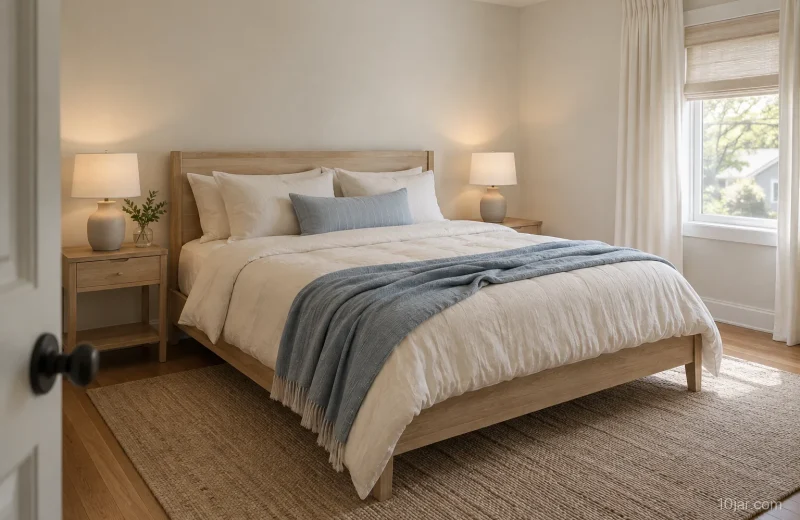

About the author
10jar Editorial Team
The 10jar Editorial Team builds research-led visual decision guides. We document our criteria, cite consequential sources, state what we did not test, and correct material errors when we find them.
Follow 10jar on Pinterest